
Humane Wildlife Removal & Exclusion in Smyrna, GA
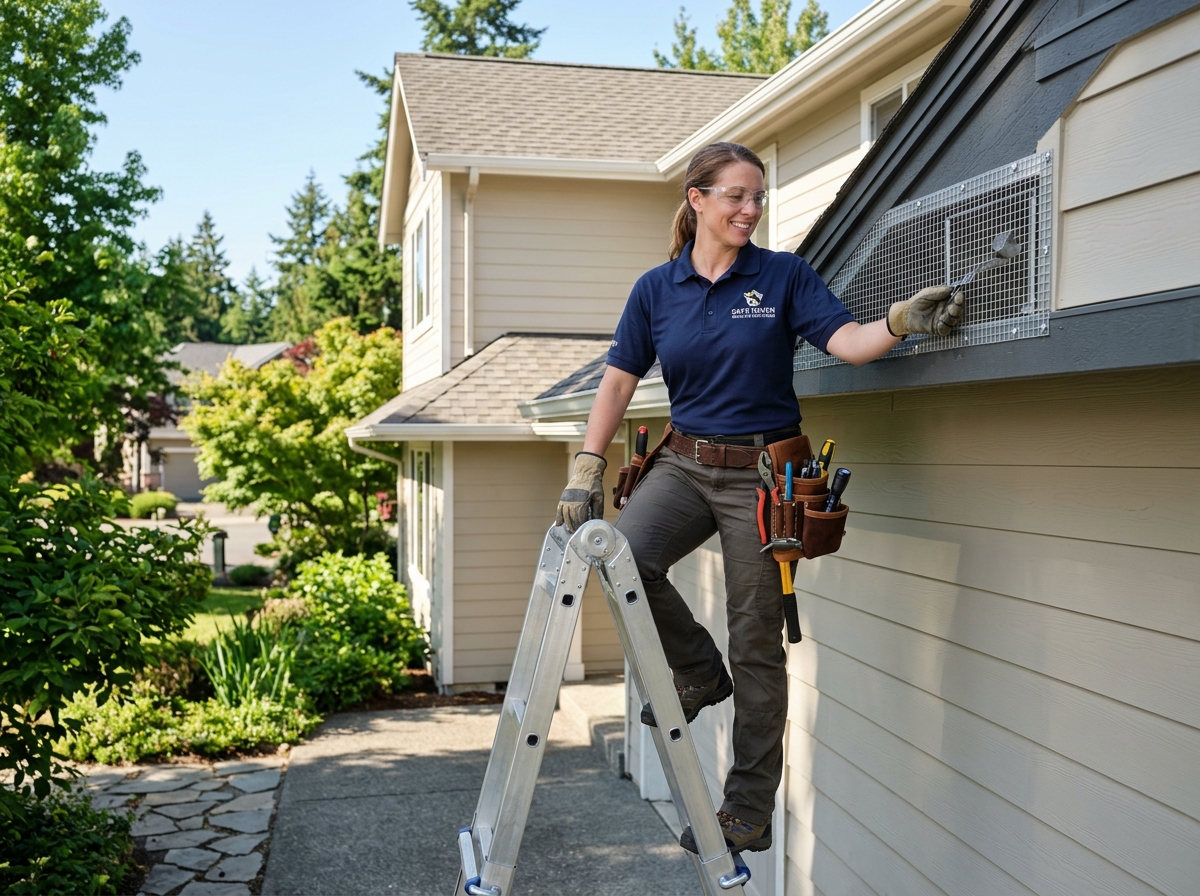
Smyrna’s picturesque, tree-lined streets and proximity to natural parks make it a wonderful place to live, but they also bring homeowners into direct contact with Georgia’s native wildlife. When Eastern gray squirrels, raccoons, bats, or opossums trade their tree nests for your attic or crawl space, they pose serious structural and health hazards. Animals tear up HVAC ductwork, shred fiberglass insulation, and gnaw through electrical wiring, creating significant house fire risks.
At Pest Control Master, we connect homeowners and property managers with licensed wildlife control operators who specialize in humane removal, damage repair, and permanent entry proofing. As part of our comprehensive local pest management network in Smyrna, GA, we ensure your home remains safe and sealed against animal intrusion.
Common Wildlife Invaders in Cobb County
Technicians in our referral network frequently resolve nuisance issues with these native species:
1. Eastern Gray Squirrels
Active during early mornings and late afternoons, squirrels make loud scurrying and rolling sounds in attics. They chew through fascia boards and vinyl soffits to build nurseries for their litters. Because squirrel teeth constantly grow, they incessantly gnaw structural rafters and electrical lines.
2. Raccoons
Heavy-bodied, dexterous, and nocturnal, raccoons can rip open roof shingles, push through plastic ridge vent caps, and dismantle attic ductwork. Mother raccoons frequently target chimneys and crawl spaces in spring to rear kits. Raccoon latrines also carry infectious roundworm parasites (Baylisascaris procyonis).
3. Bats (Big Brown & Little Brown Bats)
Bats enter tiny 3/8-inch gaps behind chimney trim, fascia boards, or brick weep holes. Accumulations of bat guano in attics foster Histoplasma capsulatum fungal spores, which can lead to severe respiratory illness in humans. Georgia law strictly protects bats; exclusions must be timed outside the summer maternity season (May 1 to August 15) using approved one-way check valves.
4. Opossums
Slow-moving marsupials that frequently invade low-lying crawl spaces beneath older porches and pier-and-beam foundations, drawn by pet food and fallen fruit.
The Professional 3-Phase Wildlife Solution
Independent wildlife specialists follow an ethical, long-term protocol:
- Humane Extraction: Depending on the animal, technicians utilize one-way directional exclusion doors (which allow animals to leave to forage but block re-entry) or state-approved live-catch cage traps placed along active roof runways.
- Complete Metal Exclusion: Once animals have exited, technicians reinforce vulnerable architectural gaps using 1/4-inch heavy-gauge galvanized steel hardware cloth, metal drip edge flashing, and stainless steel chimney caps that claws and teeth cannot penetrate.
- Attic Restoration & Sanitization: Technicians remove soiled insulation, vacuum droppings, and apply hospital-grade bio-sanitizing foggers to neutralize pheromones and eliminate ectoparasites like bat bugs and bird mites.
Neighborhood Wildlife Pressures Across Smyrna
Wooded subdivisions like Cheney Woods and the expansive rolling lots of Vinings Estates have large squirrel and raccoon populations due to mature oak and pecan trees overhang roofs. Meanwhile, homes in Williams Park often have historic construction with open eaves and older crawl spaces where opossums and rodents nest.
Related Structural Pest Concerns
When wildlife creates openings along your roofline, smaller pests quickly follow. Squirrel holes allow rain to enter, rotting wood and creating entry conduits for subterranean termites. Roof openings also invite attic roof rats and mice to establish secondary nests. Contact our local dispatch line to protect your entire building envelope.
Frequently Asked Questions About Wildlife Removal
What happens if baby animals are in the attic?
Certified wildlife technicians perform hands-on attic inspections to check for litters of baby squirrels or raccoon kits. If discovered, specialists carefully extract the young by hand and place them in an exterior heated reunion box so the mother can relocate them safely to a secondary natural den.
Will trapping an animal alone solve the problem?
No. Trapping without structural exclusion simply leaves an open hole in your home. New wildlife in the neighborhood will scent the animal pheromones and take up residence within days. Permanent metal exclusion repairs are essential.
Does homeowners insurance cover wildlife damage repair?
Many Georgia homeowners policies provide coverage for structural damage caused by raccoons or bats (such as ruined attic insulation or chewed ductwork), though they rarely cover squirrel gnawing. Independent contractors can document the damage to assist with insurance claims.