
Termite Treatment & Inspection Services in Smyrna, GA
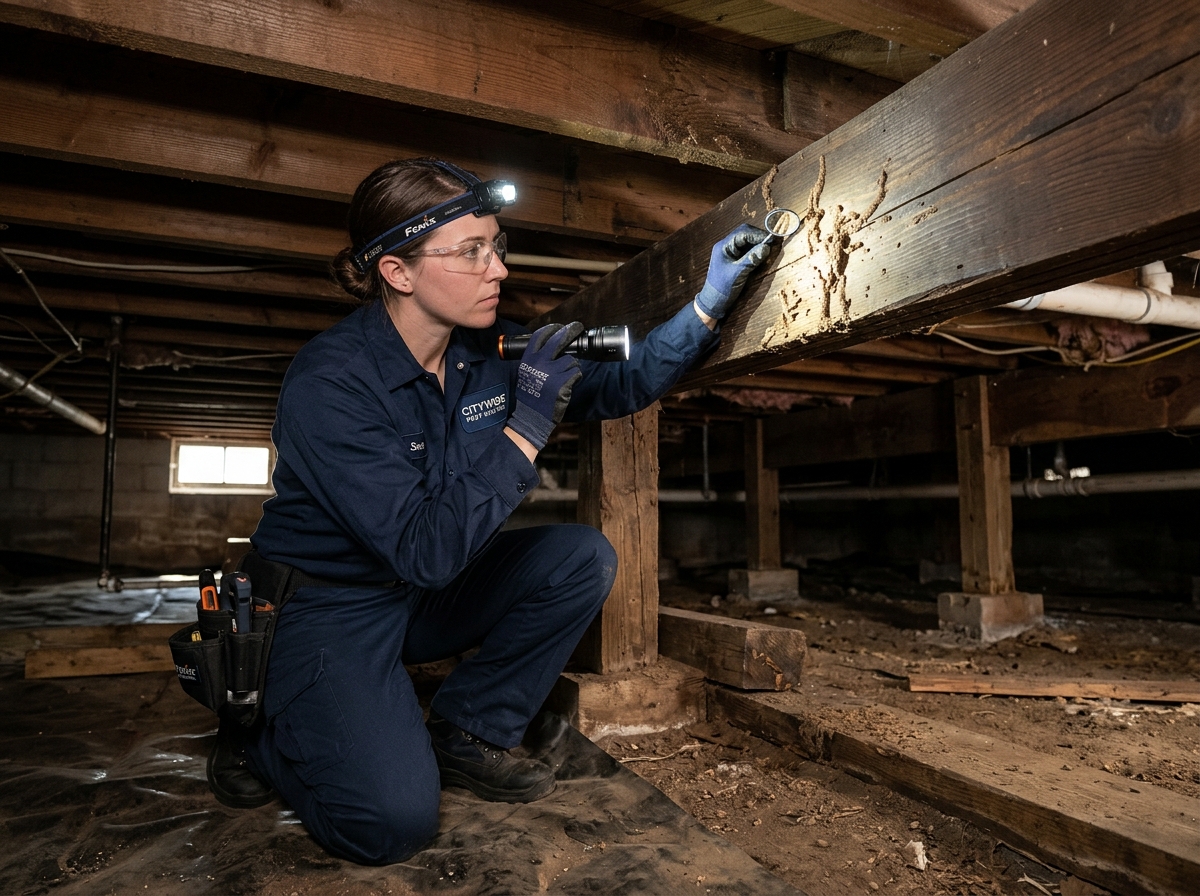
Termites cause millions of dollars in silent structural damage across Cobb County every year. Because Georgia lies directly inside the nation’s "very heavy" termite infestation probability zone, home foundations in Smyrna are under perpetual subterranean pressure. Through our network at Pest Control Master, homeowners connect directly with licensed exterminators who provide comprehensive visual inspections, non-repellent perimeter treatments, and official Georgia WDO real estate clearance letters.
Whether you are an established resident in Vinings Estates or renovating an older bungalow in Williams Park, pairing your termite defense with overall professional pest control in Smyrna, GA protects your most valuable asset from costly hidden destruction.
Signs Your Smyrna Home Has Active Termites
Subterranean termites feed on the cellulose inside structural wood, typically leaving the outer surface intact until the wood is hollowed out. Look for these critical warning signals:
- Mud Shelter Tubes: Pencil-sized mud tunnels running along exterior foundation brick, crawl space piers, or basement walls.
- Spring Swarmer Wings: Piles of translucent, discarded wings on interior window sills, door frames, or garage floors following a spring rain.
- Hollow or Damaged Wood: Baseboards, door casings, or subfloors that sound hollow when tapped with a screwdriver handle.
- Tight Doors or Warped Trim: As termites consume support framing and introduce moisture, interior doors may begin sticking.
- Frass or Pinholes in Drywall: Tiny pinhead-sized holes sealed with dirt or subterranean debris in painted sheetrock.
What Professional Termite Treatment Involves
Over-the-counter sprays cannot eradicate subterranean termite colonies located six to twenty feet beneath the Georgia soil. Independent technicians connected through our Smyrna dispatch network utilize proven, science-backed extermination methods:
- Comprehensive Structural Inspection: A thorough evaluation of crawl spaces, basements, slab expansion joints, perimeter plumbing penetrations, and exterior mulch beds.
- Perimeter Liquid Soil Barriers: Technicians dig shallow trenches along the foundation footings and apply non-repellent termiticides. As foraging termites pass through the undetectable barrier, they transfer the active ingredient throughout the subterranean colony, eliminating the queen.
- Advanced In-Ground Bait Systems: Strategically placed monitoring stations installed around your home’s drip line provide 24/7 protection and intercept colonies before they reach your siding.
- Wood-Destroying Organism (WDO) Real Estate Letters: If you are buying or selling a property in Cobb County, licensed inspectors provide certified documentation required by mortgage lenders.
Why Local Soil and Climate Matter in Smyrna
The dense red clay common throughout Smyrna retains moisture long after rainfall, providing subterranean termites with the continuous hydration they need to survive above ground. Furthermore, homes situated near dense tree lines—such as those along Cheney Woods or near King Springs—face heightened pressure from fallen timber, old tree roots, and wood mulch beds. Consulting an experienced team that understands local Smyrna extermination services guarantees your treatment is calibrated to native soil conditions.
Cost Considerations for Termite Eradication
Termite treatment pricing in Smyrna varies depending on your home’s linear foundation perimeter, whether your house has a monolithic concrete slab or a full crawl space, and whether active structural repairs are needed. While initial investments vary, preventive treatment is a fraction of the cost of rebuilding structural floor joists or load-bearing sills. When you call our dispatch line, you can request an initial on-site assessment and clear estimate from an independent provider.
Related Pest Vulnerabilities
Moisture problems that attract termites also create inviting entryways for other destructive pests. For example, crawl spaces with high humidity frequently harbor attic and crawl space rodents, while dark subfloor spaces provide hiding zones for American roaches and palmetto bugs. Addressing moisture and pest exclusion comprehensively ensures long-term home security.
Frequently Asked Questions About Termites in Smyrna
What time of year do termites swarm in Smyrna?
In Cobb County, Eastern subterranean termites generally swarm between late February and May on warm days following rainfall. Swarming is their natural reproductive cycle, signaling that an established colony is nearby.
Does homeowners insurance cover termite damage in Georgia?
Almost all standard homeowners insurance policies consider termite damage preventable maintenance and exclude it from coverage. This is why having an annual inspection or termite warranty bond through an independent specialist is critical.
How often should a Smyrna house be inspected for termites?
Because of high termite density in Georgia, pest management professionals recommend having a certified visual inspection conducted at least once every 12 months.